
2026-07-20
Digital Models vs. Physical Models: Which Sells?
Why interactive 3D tours close deals faster than traditional scale models.
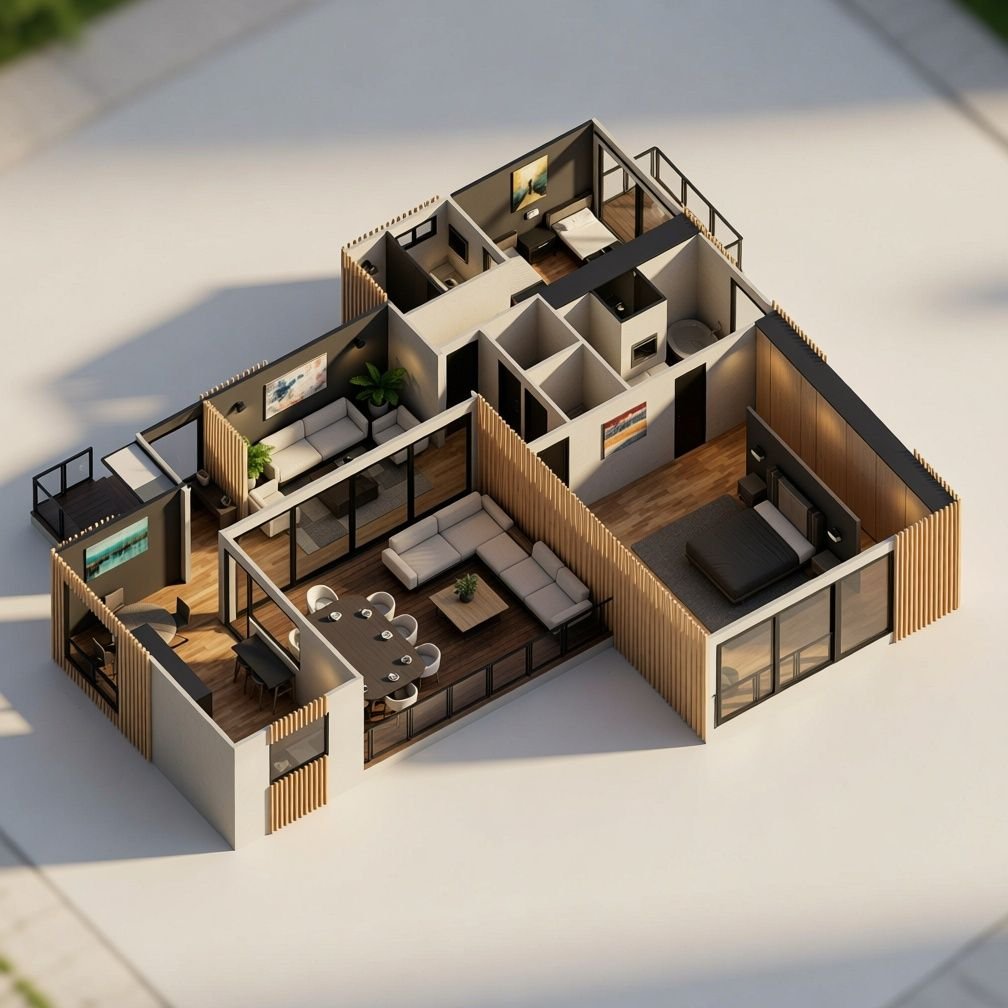
For decades, physical architectural models have been the gold standard for presenting a vision to investors, buyers, and stakeholders. They're tangible, impressive to hold, and undeniably beautiful. But they have a fundamental limitation: they show only what the architect decides to show, from angles the architect chooses, in lighting conditions the architect controls.
A 3DVOX digital model removes those constraints. Instead of walking around a static object in a conference room, your buyers explore the space the way they'll actually experience it—from every angle, at any time of day, with the ability to pause, measure, and understand spatial relationships without being guided.
The Measurement and Navigation Advantage
This is where digital models fundamentally outperform physical ones. Our viewers include precise distance tools, floor-to-ceiling heights, and spatial overlays that help buyers make informed decisions. A prospective tenant can check whether their furniture fits. An investor can walk a parking garage layout alone, without relying on a sales presentation. This independence builds confidence.
The Speed and Distribution Factor
Physical models require shipping, storage, and in-person viewings. A digital model lives on a link. Share it instantly with remote investors across time zones. Update it in real time as designs evolve—no costly reprints. Your stakeholders see the latest version, always.
Neither tool is obsolete. The best approach uses both: a physical model for emotional impact in the room, and a 3DVOX digital tour for accessibility, control, and detail. But when it comes to actually closing deals, the interactive digital experience increasingly wins. People commit to what they can explore on their own terms.