
2026-08-04
Why Luxury Buyers Preview Unbuilt Homes in 3D
Interactive tours are reshaping how high-net-worth clients evaluate pre-construction developments—and closing deals faster.
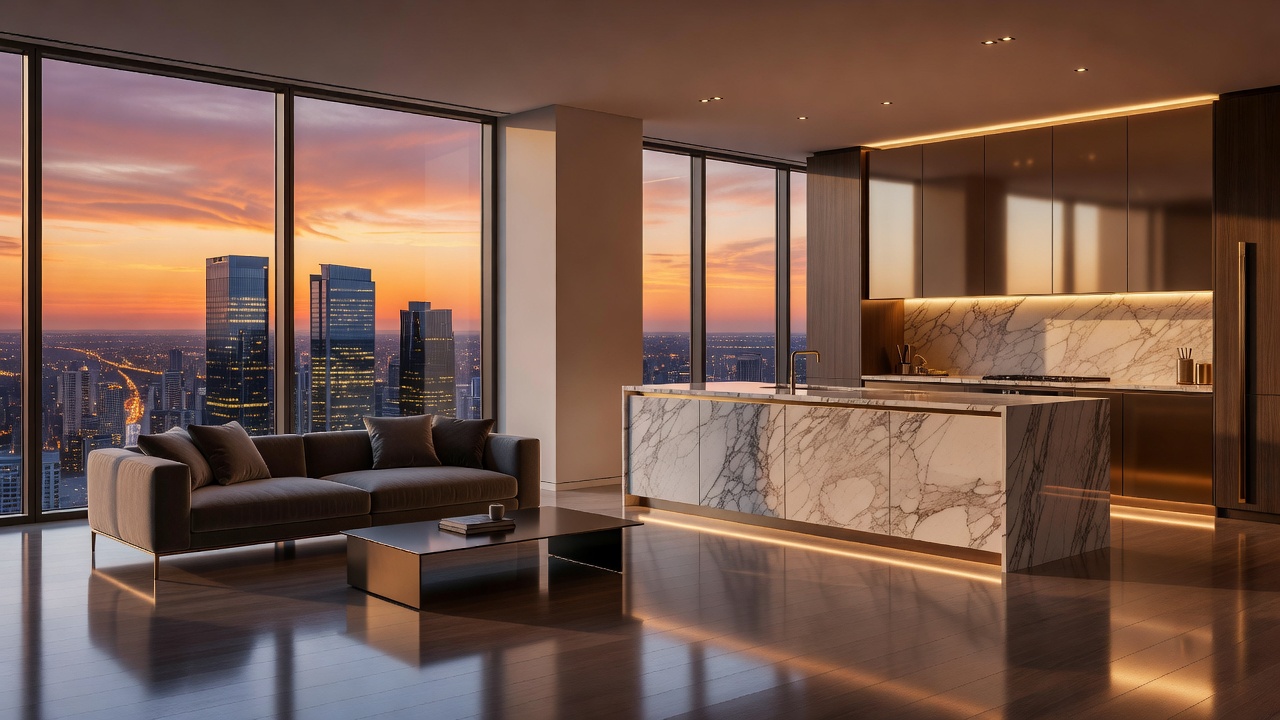
In the luxury real estate market, timing is everything. A qualified buyer willing to commit $2M+ on a penthouse that won't exist for two years is rare—and they expect certainty before signing. That's where interactive 3D tours change the game. Instead of asking buyers to imagine spaces from 2D renderings or floor plans, developers can now invite them into a fully walkable, photorealistic model of their future home. The result? Shorter sales cycles, fewer fence-sitters, and more confident deposits.
Did you know that luxury buyers spend an average of 30–45 minutes exploring a single property online before scheduling an in-person visit? With traditional static renderings, that exploration hits a wall fast. But with 3D tours, prospects can rotate fixtures, measure sight lines from the master suite, visualize furniture placement, and even check corner office views at different times of day—all from anywhere in the world, at 2 AM if they wish. This self-directed deep dive builds emotional connection and conviction before a single sales call.
The Confidence Factor: Why Pre-Construction Sells Faster with 3D
Pre-construction luxury sales carry inherent risk. Buyers are investing in possibility, not reality. A photorealistic 3D tour—especially one that matches the architect's intent and material specifications—reduces that psychological barrier significantly. When a high-net-worth client can step through a virtual penthouse, count windows, and trace the flow from living room to private spa, they're no longer buying a promise. They're buying clarity.
Developers who deploy 3D tours report a measurable lift in conversion rates. Serious buyers—those genuinely considering six or seven-figure commitments—use immersive tours to narrow down which units align with their lifestyle. A buyer shopping between three towers can eliminate one in minutes by virtually inhabiting each. The tour becomes a qualifier, fast-tracking both sides toward real negotiations. And because the tour is accurate to the final design, questions about layout, finishes, and sightlines are answered before the deposit is due.
Speed, Scale, and Global Reach
Luxury markets are increasingly global. A Moscow oligarch, a Hong Kong entrepreneur, and a Californian tech founder might all be bidding on the same waterfront development. Time zones and travel friction used to mean months of back-and-forth. A 3D tour compressed that into a 20-minute virtual walkthrough and a video call with the sales team. For developers, this means more qualified inquiries per marketing dollar and the ability to showcase inventory to serious buyers across continents in real time.
There's also a secondary win: inventory transparency. A luxury tower with 200 units will have variations in orientation, finishes, and floor layouts. A 3D tour library—one interactive model per unit type or customization—lets buyers self-navigate the full portfolio. They don't have to wait for a broker's availability or schedule three separate site visits. Smart buyers find their match themselves, which paradoxically speeds up the sales process by reducing decision paralysis.
In competitive luxury markets, the developer who gives buyers the clearest view of the future wins. 3D tours aren't a feature anymore—they're table stakes. And for those willing to invest in truly immersive, accurate models, the payoff is measurable: faster closes, higher confidence, and fewer post-purchase regrets. That's not just a better sales tool. That's a market accelerant.